
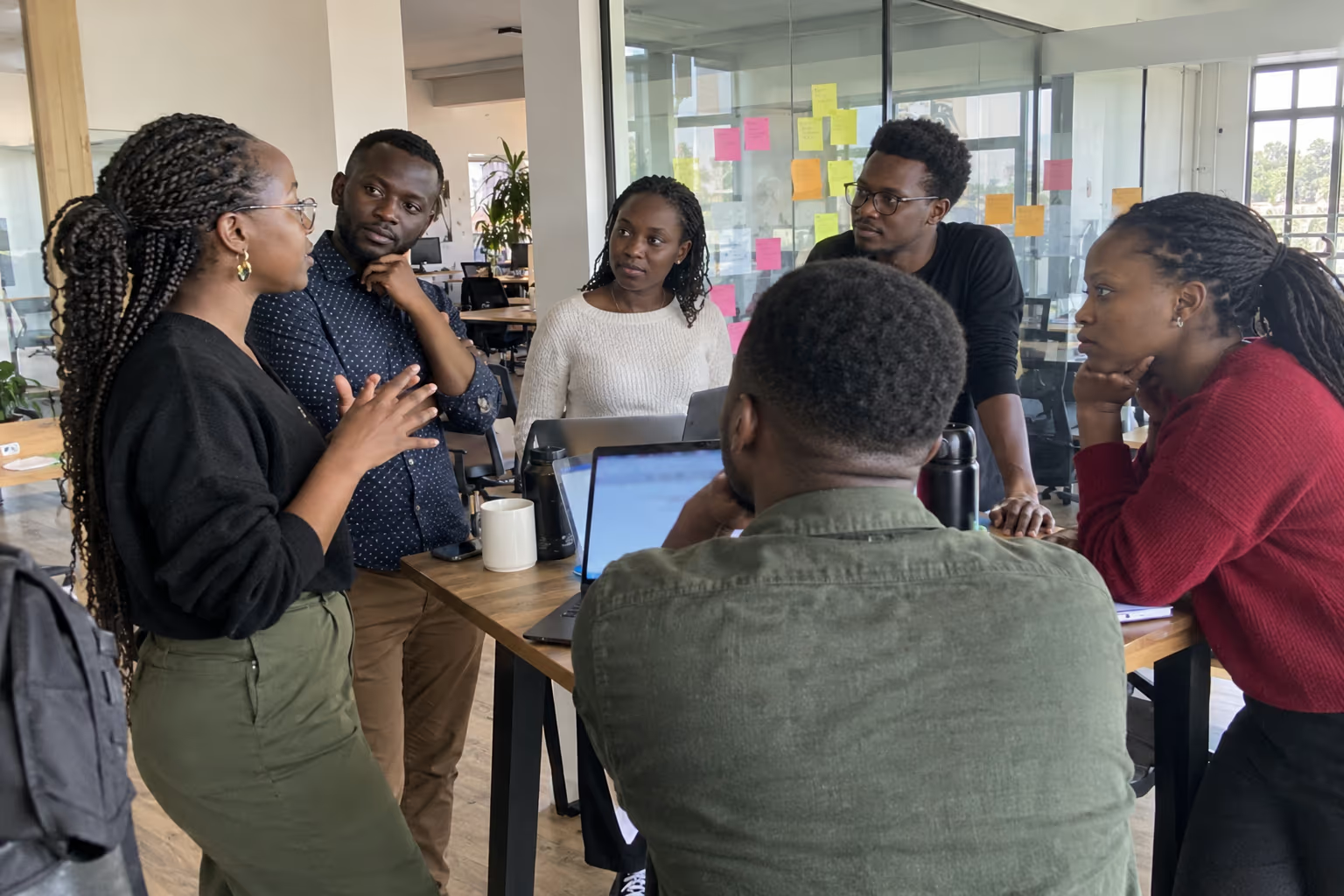
Most NGO teams in Kenya already use AI in some way. A programme officer asks ChatGPT to tidy a concept note, someone in M&E pastes survey answers into a chatbot, and a communications assistant drafts a donor update the night before it is due. The tools help, but nobody has agreed what is safe to paste, what must be checked or how the good habits spread to the rest of the team.
That pattern is not unique to Kenya. In a late 2025 survey of 346 nonprofits by Virtuous and Fundraising.AI, 92% said they used AI tools, but only 7% reported a major improvement in what their organisation could do. Most use was individual and ad hoc, only 4% had documented, repeatable ways of working with AI, and nearly half had no formal AI policy. Among organisations not yet using AI, 48% named lack of training as the reason.
This guide explains where AI helps NGO teams in Kenya, what funders and the law now expect, and how to start without putting donor trust or beneficiary data at risk.
Why Kenyan NGOs Need AI Skills Now
Two changes have made the work harder. The Public Benefit Organisations Act, 2013 finally came into force on 14 May 2024, which replaced the NGO Coordination Board with the PBO Regulatory Authority and brought new registration and reporting duties. The Authority's sector report lists 14,287 registered public benefit organisations, all of them now working to the new rules.
The second change is money. When the United States froze and then wound down USAID funding in 2025, Kenyan organisations that relied on it faced job losses and closed programmes. Many teams that remain are smaller and still expected to deliver the same proposals, reports and field work.
AI does not replace the people who know the communities, but it can take hours out of the writing, reading and summarising that fill an NGO week. That only happens when staff know how to use it well and when the organisation trusts what comes out.
Where AI Helps an NGO Team
Across programme, M&E, finance and communications work, AI is most useful for five jobs:
- First drafts of concept notes, proposal sections and reports, written from your own notes.
- Turning field notes, interview transcripts and survey comments into clear findings.
- Checking long documents, such as terms of reference, against what your draft actually covers.
- Summarising long reports, policies and donor guidelines into what your team needs to act on.
- Translating and simplifying material for communities, then having a fluent speaker check it.
Using AI for Proposal and Grant Writing
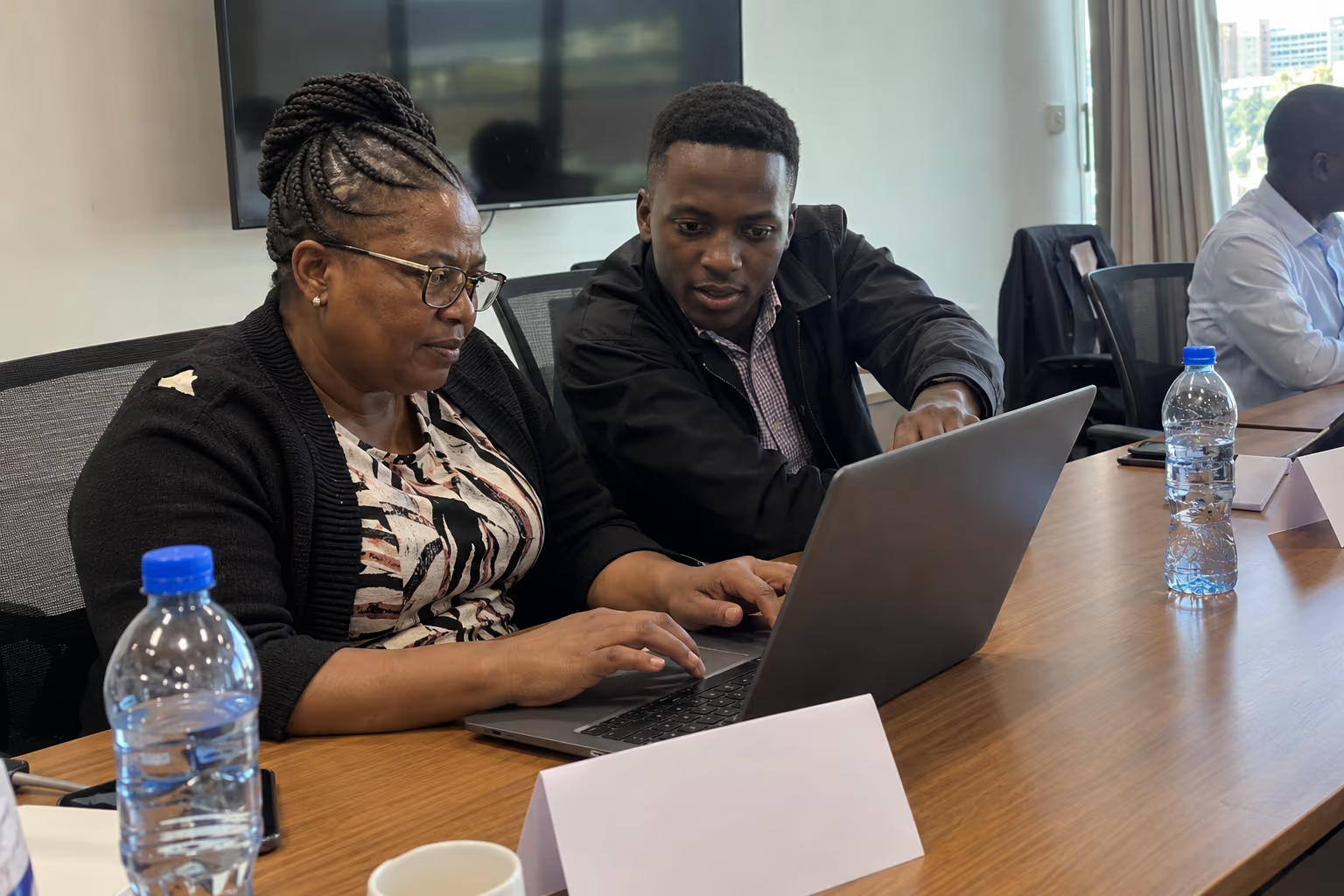
Proposal writing is where most NGO staff first try AI, and where it helps most when used carefully. AI is good at structuring a response to a call, checking that every requirement in the terms of reference is answered, turning a logframe into a readable narrative and tightening a draft that is over the word limit.
It should not write your ideas for you, and some funders now say so directly. In July 2025, the US National Institutes of Health said it would not treat applications substantially developed by AI as the applicant's own original ideas. Other funders are adding similar rules, so in the training we show teams how to keep the problem analysis, the evidence and the theory of change their own, and to use AI for structure, clarity and checking.
We also cover the risks that cost proposals points: statistics that AI made up, references that do not exist and generic wording that reviewers recognise. Every figure in a proposal should trace back to your own data or a source you can name.
Writing Donor Reports With AI
Quarterly and annual donor reports take days because the information sits in many places: activity logs, field updates, finance figures and photos. AI can pull a first draft together from those notes, match it to the donor's template and suggest where a story or a number would strengthen a section.
The person who signs the report must still check every number against the source and every claim against what actually happened. In the training, teams build a simple routine for this, so that faster drafting never means a less accurate report.
AI for Monitoring and Evaluation
KoboToolbox, a data collection tool widely used by development and humanitarian organisations, now includes AI features. According to KoboToolbox's documentation, it can transcribe audio responses automatically in 112 languages and translate the transcripts, using Google's speech recognition and translation. Free accounts get a small monthly allowance, with paid add-ons for larger projects.
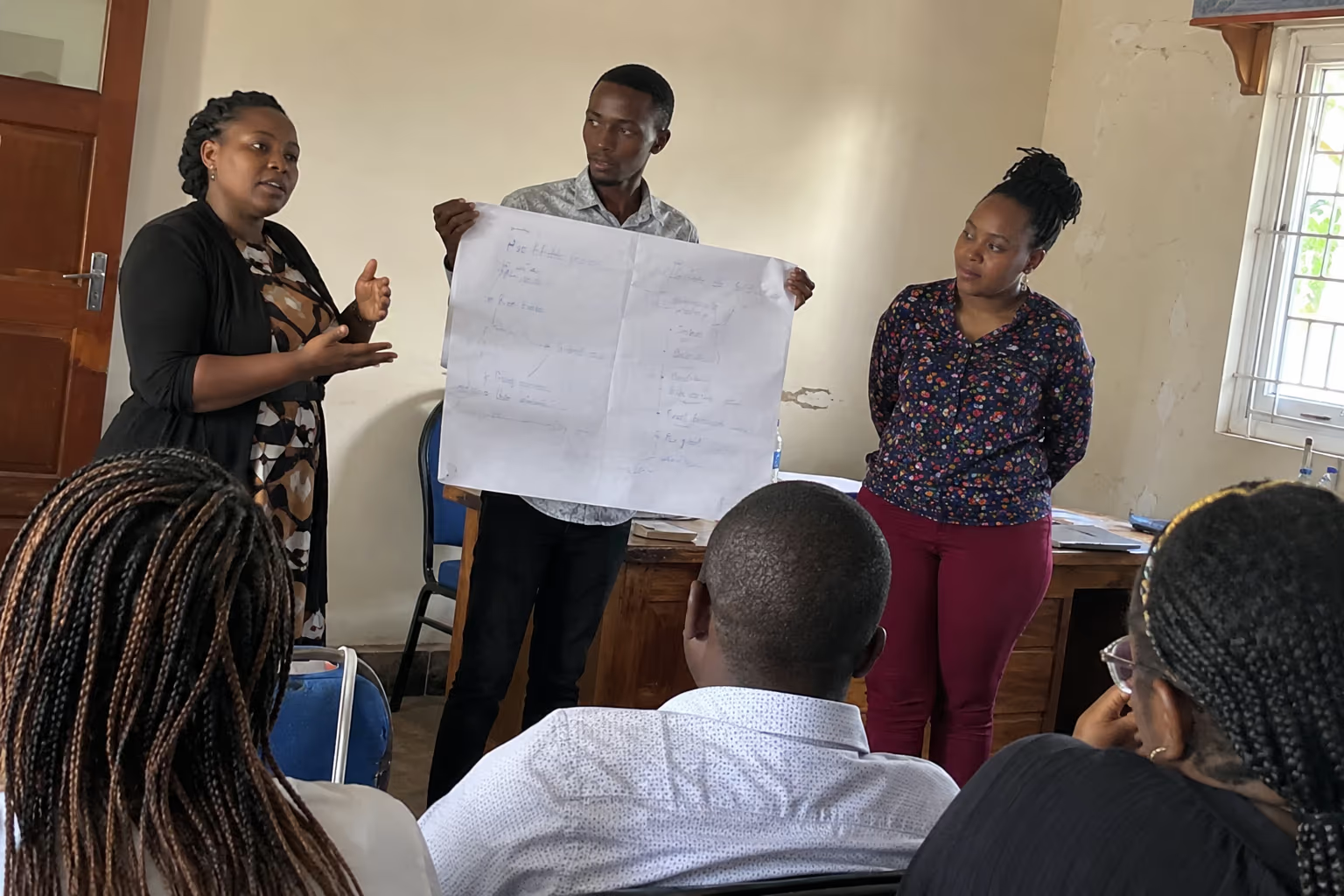
That changes what a small team can do with open-ended questions and interviews. Instead of leaving recordings unheard, staff can transcribe them, group the answers by theme and pull out quotes for reports. The training covers how to set up these questions, how to check a sample of transcripts against the audio, and how to code themes with AI while a person makes the final call on what the data shows.
Automatic transcription does not cover every language spoken in Kenya, and accuracy drops with background noise and mixed languages. We show teams how to spot those problems early rather than discover them in the final evaluation.
Protecting Beneficiary Data When You Use AI
NGOs hold some of the most sensitive data in Kenya. Under the Kenya Data Protection Act, 2019, sensitive personal data includes a person's health status, ethnic origin, beliefs and family details, including the names of their children. Case files, medical records and survey answers often contain exactly that.
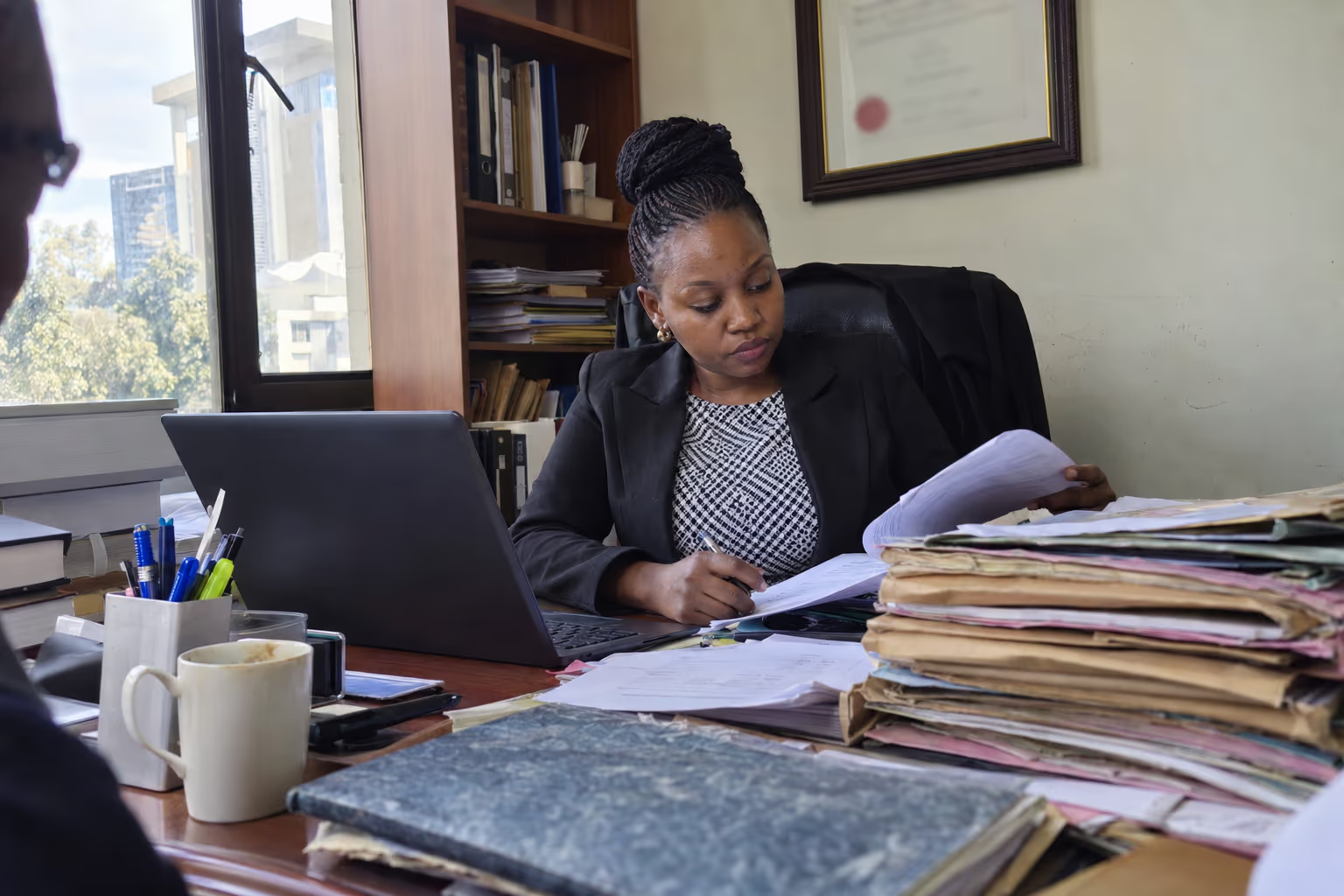
The safe rule is simple: names, phone numbers, health details and anything that identifies a beneficiary stay out of public AI tools. In the training, staff practise removing identifying details before they use AI, choosing tools whose terms suit their data, and recognising when a task should not use AI at all.
Writing an AI Policy for Your NGO
Nearly half of the nonprofits in the 2026 survey had no formal AI policy, and donors are starting to ask. A short policy answers the questions staff are already asking each other: which tools are approved, what data must never go into them, who checks AI output before it reaches a donor, and how to say when AI was used.
We can draft the policy with your leadership team during the training, so it reflects how your staff really work. If you need a fuller policy and a plan for adopting AI across programmes, our AI strategy consulting covers that in more depth.
Getting Your Team Trained
Individual staff can learn a lot on their own, but the gains in the 2026 survey came from shared ways of working, not one person's experiments. Our AI training for NGOs in Kenya builds those habits across a team, using your own proposals, reports and field data. Edwin Rogoi leads most sessions himself, in person anywhere in Kenya or online.
It starts with a free 30-minute call about your teams and the documents you handle. For mixed teams beyond the NGO sector, see our corporate AI training, and for wider context on using AI responsibly, read our guide to AI literacy in Kenya.
Common Questions About AI for NGOs
Is it safe for NGOs to use ChatGPT with beneficiary data?
Not with identifying details. Names, phone numbers, health information and family details are personal data, much of it sensitive under the Kenya Data Protection Act, 2019. Remove identifying details first, or use a tool your organisation has approved for that data.
Can we use AI to write grant proposals?
Yes, for structure, clarity and checking that you answer every requirement. Keep the ideas, evidence and theory of change your own, because some funders, such as the US National Institutes of Health, will not treat proposals substantially written by AI as the applicant's original work.
Do our staff need technical skills?
No. The training is built for programme, M&E, finance and communications staff, and it uses the tools your team already has, such as ChatGPT, Google Gemini, Microsoft Copilot and KoboToolbox.
Can the training be online for teams in different counties?
Yes. We run sessions in person anywhere in Kenya or online, and many NGOs use a mix, with one in-person session and the rest online.
Can you help us write an AI policy?
Yes. Most NGO programmes include a short AI use policy drafted with your leadership team. For a fuller policy and adoption plan, AI strategy consulting covers it in more depth.
How can our whole team learn to use AI well?
Train together on your own documents and agree shared rules, rather than leaving each person to experiment alone. Our AI training for NGOs does this in person anywhere in Kenya or online.
Sources
- PBO Regulatory Authority: PBO sector report 2024 to 2025
- NGOsource: the commencement of Kenya's PBO Act
- NonProfit PRO: the 2026 Nonprofit AI Adoption Report
- NIH: policy on AI use in research applications, July 2025
- KoboToolbox: transcription and translation of audio responses
- The Star: USAID exit and Kenyan jobs
- Kenya Data Protection Act, 2019